What Size Water Heater Do I Need?

Running out of hot water halfway through a shower is annoying. Running out of it every single day because your water heater was never sized for your household is a problem worth solving. Whether you’re replacing an aging unit or just tired of rationing hot water between family members, getting the size right is the difference between a water heater that quietly does its job and one you’re constantly fighting with.
Here’s how to figure out what size water heater you actually need — and when it’s time to talk to a professional instead of guessing.
Why Water Heater Size Actually Matters
Water heaters are sized two ways: tank capacity (measured in gallons) and recovery rate (how fast the unit reheats water after it’s used). A tank that’s too small means you run out of hot water during busy mornings or back-to-back showers. A tank that’s too large wastes energy keeping water hot that nobody’s using yet.
The right size depends on how many people live in your home, your peak usage times (everyone showering before school and work, for example), and whether you’re leaning toward a traditional tank or a tankless system.
What Size Water Heater Do I Need for my Household?
These are general guidelines for standard gas or electric tank water heaters. Actual needs can vary based on appliances (soaking tubs, multiple bathrooms) and usage habits.
1–2 People A 30–40 gallon tank is typically enough for a household this size, covering a shower, dishwasher, and laundry without much overlap in demand.
3–4 People Most families this size need a 40–50 gallon tank. This is the most common size we install and service in Genesee and Oakland County homes, since it comfortably handles overlapping morning routines.
5+ People Larger households usually need a 50–80 gallon tank, or should seriously consider a tankless system (more on that below). With multiple people showering, doing laundry, and running dishes in the same window, undersized tanks in bigger households are one of the most common repair calls we get.
Recovery Rate: The Number Most Homeowners Never Check
Recovery rate tells you how many gallons of water a unit can heat per hour. Two water heaters with the same tank size can perform very differently if one has a much faster recovery rate — especially for gas units, which generally recover faster than electric.
If your household has back-to-back hot water demands (say, two showers within 20 minutes of each other), recovery rate matters just as much as tank size. This is one of the things our technicians evaluate on-site, since a “correctly sized” tank on paper can still leave a family short on hot water if the recovery rate doesn’t match their routine.
Tank vs. Tankless: Which Fits Your Home?
Tank water heaters are the most common choice — lower upfront cost, straightforward installation, and a proven track record. The tradeoff is a limited hot water supply; once the tank’s used up, you wait for it to reheat.
Tankless water heaters heat water on demand, so you technically never “run out.” They’re more energy-efficient long-term and take up far less space, but they come with a higher upfront cost and, in some cases, may require upgraded gas lines or electrical service to support them.
For larger families (5+ people) or homes with high simultaneous hot water demand, tankless is often worth the investment. For smaller households or homes on a tighter budget, a correctly sized tank unit is usually the more practical choice.
When to Repair vs. Replace
Not every hot water problem means you need a new unit. Here’s a general guide:
- Repair if your water heater is under 8–10 years old, the tank isn’t leaking, and the issue is isolated (a faulty thermostat, heating element, or pilot light issue, for example).
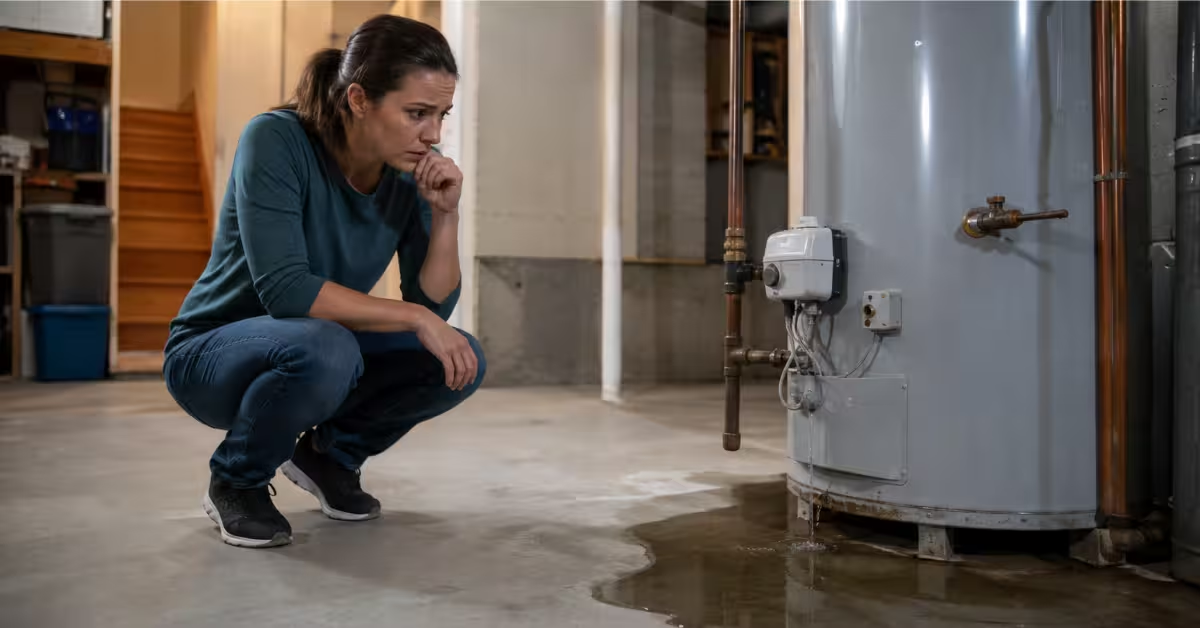
- Replace if your unit is approaching or past its expected lifespan, you’re seeing rust-colored water, the tank itself is leaking, or you’re constantly running out of hot water even after a repair.
If you’re noticing any of these signs, it’s worth having a technician take a look before the problem turns into an emergency — especially heading into a Michigan winter, when water heater failures tend to happen at the worst possible time.
Sizing for Michigan Households
Homes in Fenton, Grand Blanc, Clarkston, Holly, and across Genesee and Oakland County deal with the same seasonal swings — colder incoming water temperatures in winter mean your water heater has to work harder to reach the same output temperature. That’s part of why recovery rate and correct sizing matter more here than in milder climates. An undersized unit that “just barely” keeps up in July often falls short by January.
Not Sure What You Need? Let’s Figure It Out Together
Every household’s hot water needs are a little different, and the right size depends on more than just how many people live under your roof. If your current water heater isn’t keeping up with your family’s hot water needs, our licensed technicians can help determine whether a repair or replacement is the best solution — and make sure whatever you choose is actually sized for how your home uses hot water. Check to see if there are any home energy rebates.